Patient Education

Patient Education

Conditions and Care

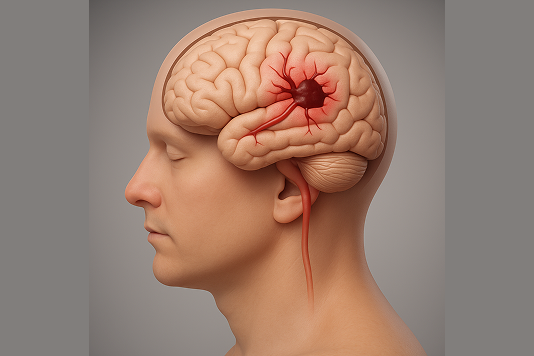
A stroke occurs when the blood supply to part of the brain is interrupted or reduced, preventing brain tissue from getting oxygen and nutrients. Brain cells begin to die within minutes.

There are two main types :

  • Ischemic stroke : Caused blockage by a blockage (clot) in an artery.
  • Hemorrhagic stroke : Caused by a blood vessel rupture.
  • Transient Ischemic Attack (TIA) : A "mini-stroke" with temporary symptoms; a warning sign of potential future strokes.

🚨 Recognizing a Stroke : Use F.A.S.T.

Letter What It Means What to Do
F Face Drooping Ask the person to smile. Does one side droop?
A Arm Weakness Ask them to raise both arms. Does one drift down?
S Speech Difficulty Ask them to repeat a sentence. Is it slurred or strange?
T Time to Call Doctor/Hospital If any sign is present, call emergency services immediately.

🧠 Other Possible Symptoms

  • Sudden confusion or trouble understanding speech
  • Sudden trouble seeing in one or both eyes
  • Sudden trouble walking, dizziness, or loss of balance
  • Sudden severe headache with no known cause

⏱ Why Time Matters

  • Every minute counts. On average, 1.9 million brain cells die every minute during a stroke.
  • Prompt treatment can significantly reduce brain damage and improve outcomes.

❤️ Prevention Tips

  • Control blood pressure
  • Manage diabetes and cholesterol
  • Avoid smoking and excessive alcohol
  • Eat a healthy diet and exercise regularly
  • Treat atrial fibrillation (AFib) if diagnosed

What Is a Migraine?

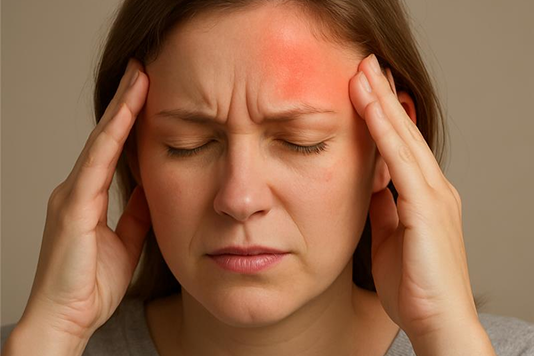
A migraine is more than just a headache — it’s a neurological condition that can cause intense, throbbing head pain, often accompanied by nausea, vomiting, and sensitivity to light or sound.

📊 Fast Facts

  • Affects 1 in 7 people globally
  • Women are 3x more likely than men to have migraines
  • Most people have attacks between ages 18–44
  • Often runs in families (genetic link)
  • Migraine is the 2nd leading cause of disability worldwide (under 50)

⚠️ Common Symptoms

  • Severe, throbbing head pain (often one-sided)
  • Nausea or vomiting
  • Sensitivity to light, sound, or smells
  • Visual disturbances (aura) — flashing lights, zigzag lines
  • Dizziness or numbness
  • Fatigue or brain fog

🔁 Migraine Phases

Migraines can occur in 4 stages (not everyone experiences all) :

  • 1. Prodrome – Mood changes, food cravings, fatigue
  • 2. Aura – Visual or sensory disturbances (in some people)
  • 3. Attack – Severe headache (can last 4–72 hours)
  • 4. Postdrome – “Migraine hangover” (fatigue, confusion)

🚩 Common Triggers

  • Stress or anxiety
  • Hormonal changes (e.g., menstruation)
  • Skipping meals
  • Certain foods (e.g., chocolate, cheese, red wine)
  • Weather changes
  • Strong smells or bright lights
  • Sleep disruption

💊 Treatment Options

Acute (for attacks) :

  • Over-the-counter pain relief (e.g., ibuprofen, aspirin)
  • Triptans (prescription migraine drugs)
  • Anti-nausea meds

Preventive :

  • Daily medications (beta-blockers, anti-seizure drugs, CGRP inhibitors)
  • Botox injections (for chronic migraine)
  • Lifestyle changes

💡 Living with Migraine

  • Keep a migraine diary (to track triggers and patterns)
  • Stick to a regular sleep and meal schedule
  • Stay hydrated
  • Use stress-reducing techniques (yoga, meditation)
  • Talk to a doctor about personalized treatment

What Is Epilepsy?

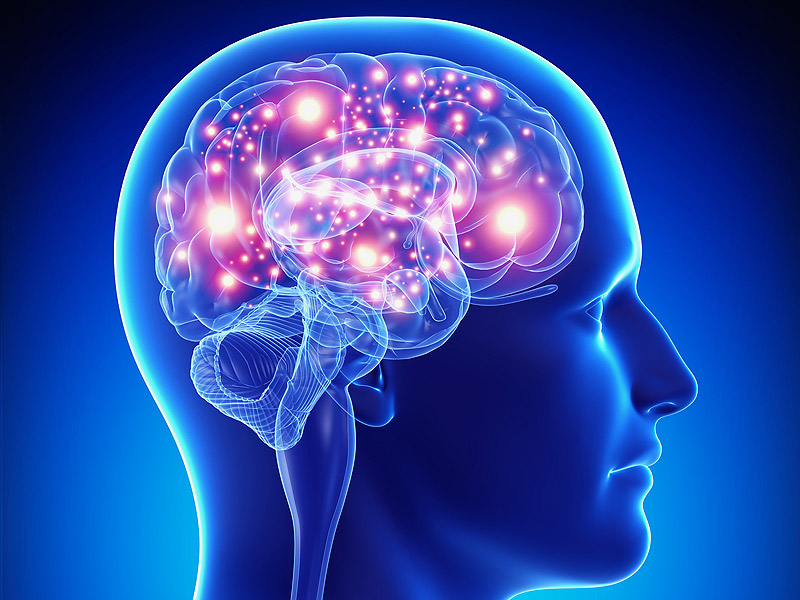
Epilepsy is a neurological disorder in which brain activity becomes abnormal, causing seizures. It can affect anyone, at any age.

  • A seizure is a sudden surge of electrical activity in the brain.
  • Having one seizure doesn’t mean someone has epilepsy — epilepsy is diagnosed when a person has two or more unprovoked seizures.

⚡ Common Seizure Types

Seizures vary widely. The two main categories are :

1. Focal Seizures (Partial)

  • Start in one part of the brain
  • May involve strange sensations, confusion, or repetitive movements

2. Generalized Seizures

  • Affect both sides of the brain
  • May include :

  • Tonic-clonic (grand mal) : Convulsions, loss of consciousness
  • Absence (petit mal) : Brief “staring spells” or lapses in awareness
  • Myoclonic : Sudden jerks or twitches
  • Atonic : Sudden loss of muscle tone ("drop attacks")

🚨 First Aid for Seizures

If someone is having a seizure :

  • Stay calm
  • Keep them safe — clear the area
  • Place them on their side if possible
  • Cushion their head
  • Time the seizure
  • ❌ Do not restrain them
  • ❌ Do not put anything in their mouth

📞 Call emergency services if :

  • The seizure lasts longer than 5 minutes
  • They have trouble breathing after
  • It’s their first seizure
  • They are injured or pregnant

⚙️ What Causes Epilepsy?

In many cases, the cause is unknown. But possible causes include :

  • Brain injury
  • Stroke
  • Tumors
  • Genetic conditions
  • Infections like meningitis
  • Developmental disorders (e.g., autism)

💊 Treatment Options

While epilepsy is a lifelong condition for many, it can often be managed with :

  • Anti-seizure medications
  • Surgery (in some cases)
  • Ketogenic diet
  • Vagus nerve stimulation (VNS)
  • Responsive neurostimulation (RNS)

About 70% of people with epilepsy can control seizures with medication.
💡 Living with Epilepsy

  • Most people with epilepsy live full, active lives.
  • Triggers like lack of sleep, flashing lights, stress, or missed meds should be avoided.
  • Support, education, and community reduce stigma and increase safety.

What Is Parkinson’s Disease?

Parkinson’s disease (PD) is a chronic, progressive neurological disorder that affects movement. It happens when brain cells that produce dopamine — a chemical that helps control movement — begin to die.

⚠️ Key Symptoms

Parkinson’s symptoms develop slowly and vary from person to person. Common symptoms include :

🧍♂️ Motor Symptoms

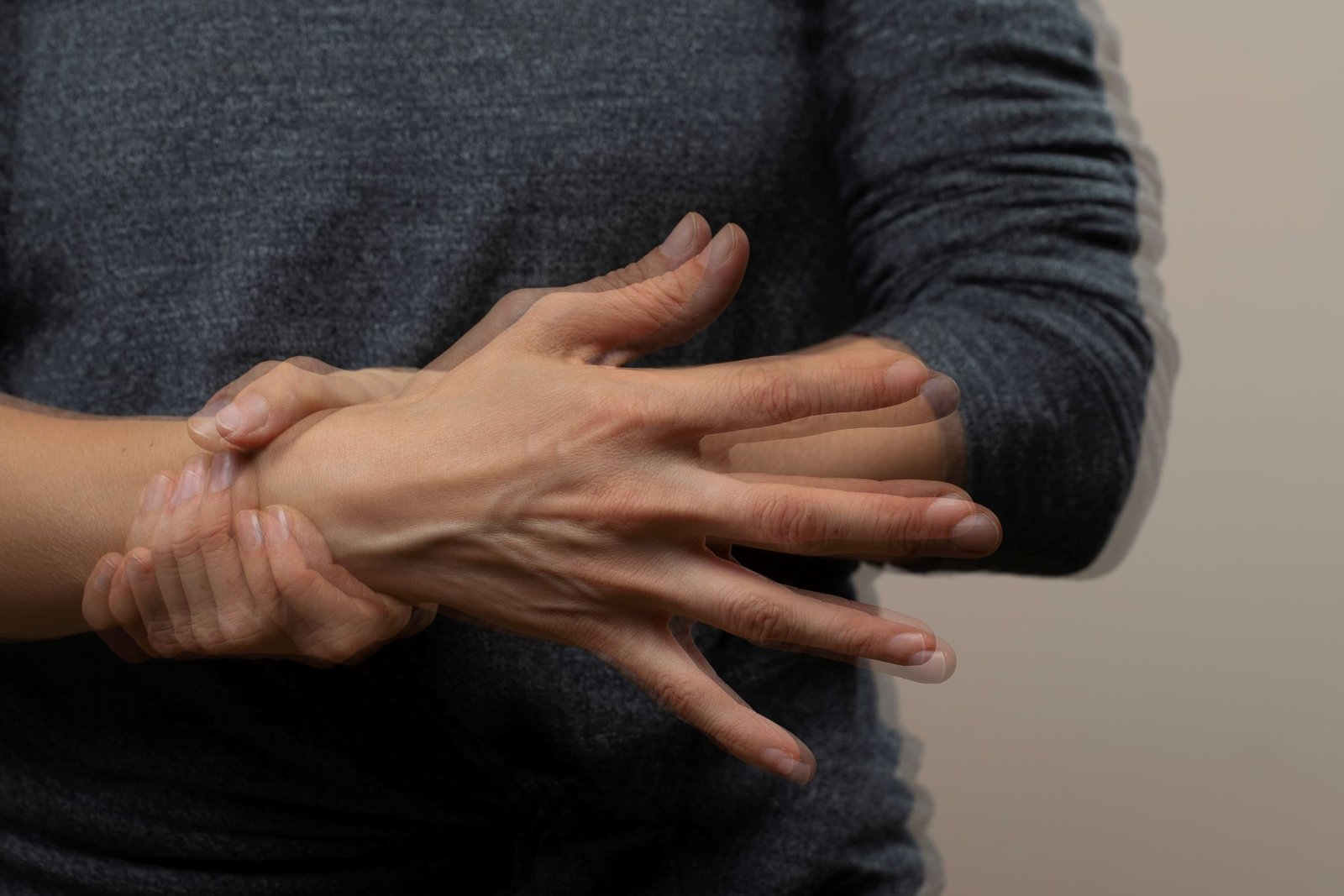
  • Tremor (shaking, often starting in the hand or fingers)
  • Bradykinesia (slowness of movement)
  • Muscle rigidity
  • Postural instability (balance and coordination issues)
  • Shuffling walk or reduced arm swing

🧠 Non-Motor Symptoms

  • Depression or anxiety
  • Sleep disturbances
  • Constipation
  • Cognitive changes (memory, thinking)
  • Loss of sense of smell
  • Fatigue

📅 Stages of Parkinson’s

Parkinson’s progresses in stages, from mild symptoms (stage 1) to severe disability (stage 5). However, progression varies widely.

⚙️ Causes & Risk Factors

  • Cause : Largely unknown, but involves loss of dopamine-producing cells in the brain.
  • Risk Factors :

  • Age (most common over 60)
  • Family history
  • Environmental exposures (e.g., pesticides)
  • Male gender (higher risk than females)

💊 Treatment Options

There is no cure, but treatments help manage symptoms

Medication :

  • Levodopa (most effective for motor symptoms)
  • Dopamine agonists
  • MAO-B inhibitors

Therapies :

  • Physical therapy (improves mobility, balance)
  • Occupational therapy(daily tasks)
  • Speech therapy(for voice and swallowing)

Advanced Options :

  • Deep Brain Stimulation (DBS)
  • Supportive care (nutrition, exercise, counseling)

🧘 Living Well with Parkinson’s

  • Regular exercise (e.g., walking, tai chi, swimming)
  • Healthy diet and hydration
  • Social supportand community groups
  • Cognitive engagement (reading, puzzles, hobbies)

💡 Quick Facts

  • Over 10 million people worldwide have Parkinson’s
  • Not just an “old person's disease” — young-onset Parkinson’s can occur before age 50
  • Parkinson’s is not fatal, but complications can be serious